达芬奇的恶魔
India's 75th Anniversary of Independence: How Moscow Became New Delhi's All-Weather Friend_我的网站

一 | Exactly 75 years ago Jawaharlal Nehru, one of the principal leaders of India’s independence movement in the 1930s and 1940s, was sworn in as prime minister of the Dominion of India and raised the national flag at the Red Fort in Delhi. Having brought an end to the colonial rule of the British Empire, the Indian leadership embraced the concept of "non-alignment" and "neutrality" and diversified its ties, seeking new partnerships. At the time, the Soviet Union emerged as a natural ally for the independent Indian state.,Nehru was attracted to Marxism and promoted the idea of evolutionary and inclusive socialism. Back in 1927, the would-be Indian prime minister visited the USSR for the first time together with his wife Kamala, younger sister Krishna, and his father Motilal Nehru, a leader of the Indian National Congress.,The trip was connected with the 10th Anniversary of the Great October Socialist Revolution, which was seen by Nehru and other Indian nationalists in "a very positive light," according to Dr. Anuradha Chenoy, professor of the Center for Russian and Central Asian Studies at Jawaharlal Nehru University.,The Soviet press extensively covered the Nehrus' visit to Moscow, hailing Motilal and Jawaharlal as prominent leaders of India’s freedom movement. Jawaharlal Nehru was received in the Kremlin by Mikhail Kalinin, chairman of the Central Executive Committee of the USSR. Having wrapped up his journey, the Indian politician wrote a booklet titled "Soviet Russia, some random sketches and impressions" (1928).,"Jawaharlal Nehru was influenced by Marxist and socialist thought to some extent, as he saw the need for state intervention for alleviating poverty, developing infrastructure and for development," says Dr. Chenoy. "He thus advocated and made policies to develop state- or public sector industries and also created a Planning Commission. Independent India's Second Plan was especially modeled around the Soviet planning system.",CC BY 2.0 / Public.Resource.Org / Photo 656 Pandit Jawaharlal Nehru at the mike. 20.7.47 Pandit Jawaharlal Nehru at the mike. 20.7.47 CC BY 2.0 / Public.Resource.Org / Photo 656,USSR Helped India Lay the Groundwork for Industrialization,On January 26, 1950, India became a republic within the Commonwealth of Nations with Jawaharlal Nehru serving as the Republic of India's prime minister until May 27, 1964. During this period, the USSR and India started to deepen their ties, according to Dr. Chenoy.,"Soviet support was crucial for an underdeveloped and newly liberated country like India," the academic explains. "Since India wanted to develop as a 'mixed economy,' that is to have both a state and private sector, Western countries refused them any aid and assistance that India needed. So India turned to the Soviet Union. The Soviet Union assisted India in the creation of new steel plants and several infrastructure industries. They assisted in developing Indian science and technology institutions which laid the base for Indian development in later years.",Dr. Chenoy elaborates that in the 1950s, the USSR helped India lay the groundwork for the country's early industrialization, with the Asian giant then starting to receive Russian defense equipment and military hardware.,CC0 / / Indian Prime Minister Indira Gandhi (1917-1984) at the National Press Club, Washington, D.C. 1n 1966 Indian Prime Minister Indira Gandhi (1917-1984) at the National Press Club, Washington, D.C. 1n 1966CC0 / /,Indo-Soviet Treaty of Peace, Friendship and Cooperation,The Indian war with Pakistan in 1971 became a pivotal moment for Indo-Soviet relations, according to the Indian academic. The conflict erupted over the Bangladesh liberation movement in East Pakistan, which was accompanied by killings of the Bengalis – both Muslims and Hindus – by West Pakistani forces led by General Agha Muhammad Yahya Khan in March 1971.,As a result of the violence and instability caused by the onslaught in East Pakistan, an estimated 10 million Bengalis fled to India by May 1971, prompting Delhi to intervene. Judging from documents released in December 2002 by the National Security Archive (NSA), a US non-profit archival institution, US President Richard Nixon and National Security Advisor Henry Kissinger did nothing to curtail the West Pakistani repressions against Bengalis and backed General Yahya.,After India stepped in to shield the Bengalis, "not only did the United States publicly pronounce India as the aggressor in the war, but the US sent the nuclear aircraft carrier, USS Enterprise, to the Bay of Bengal, and authorized the transfer of US military supplies to Pakistan, despite the apparent illegality of doing so," according to the non-profit.,Moscow's help came in handy at the time: in August 1971, India and the USSR concluded the Indo-Soviet Treaty of Peace, Friendship and Cooperation that specified mutual strategic cooperation between the countries. The treaty sent a powerful signal to the US and its allies. Eventually, the conflict ended on December 16, 1971 with the military forces of West Pakistan that were in Bangladesh surrendering.,"The Indian war with Pakistan on the issue of the liberation of Bangladesh in 1971 was a very special moment of Soviet support since the US wanted to help its ally Pakistan," says Dr. Chenoy. "After this, the Treaty of Friendship signed between India and the USSR was very holistic and provided India with much technological and defense support. Since then the friendship has increased.",© Photo : Indian PM OfficeModi Putin MeetModi Putin Meet© Photo : Indian PM Office,India's Strategic Autonomy,The historic Indo-Soviet Treaty of Peace, Friendship and Cooperation was renewed for another 20 years on August 8, 1991. After the collapse of the USSR, Moscow and New Delhi replaced the accords with the 20-year Treaty of Indo-Russian Friendship and Cooperation in January 1993.,Although the dissolution of the USSR resulted in a temporary chill in Russo-Indian economic and trade relations, they were soon reshuffled and are continuing to develop regardless of sanctions imposed by the West, according to Dr. Chenoy.,Since the declaration of independence back in 1947, India has managed to achieve significant strategic autonomy. The country has been maintaining ties with various global powers in accordance with its own strategic plans.,Thus, in June 2022, Indian Foreign Minister Subrahmanyam Jaishankar made it clear at the GlobeSec 2022 Bratislava Forum that India would not copycat the West's anti-Russia policies in the wake of Moscow's special operation to demilitarize and de-Nazify Ukraine. He stressed that “the world cannot be that Euro-centric as it used to be in the past,” adding that India, which is one-fifth of the world’s population and the fifth-largest economy will be guided by its national interests in the first place.。 人们常说,一座城市的文化底色,藏在市民读过的书里,也藏在它拥抱新时代的姿态之中。 8月27日至29日,济南将迎来一场面向“未来”的文化产业盛会——第十六届中国国际数字出版博览会。

二 | 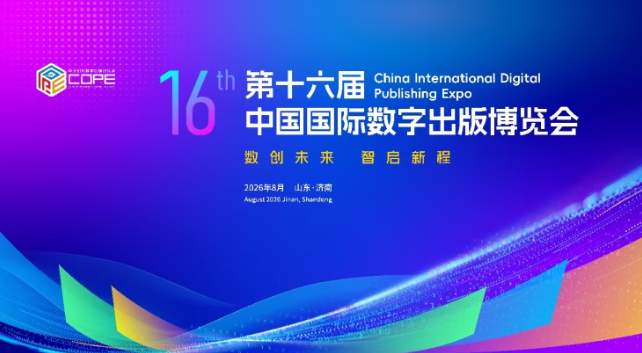 这场创办于2005年的国家级、国际化数字出版盛会,今年带着一个很鲜明的关键词来到济南——“数智”。 届时,近400家参展单位、20个省(区、市)组团,还有来自美国、英国、加拿大、希腊、韩国、斯里兰卡、泰国、肯尼亚、加纳等近30个国家和地区的国际出版企业,协会参展。1场主论坛、6场专题论坛、7大特色展区、近百场配套活动,将让这座城市成为全国数字出版产业交流、碰撞、对话的一个重要现场。

三 | 这是数博会首次走进齐鲁大地。对于济南来说,这不只是一场盛会“落地”,更像是一次相遇,一座有着千年文脉的城市遇见一个正在被数字技术重新定义的出版时代。

四 | 一 从一本书,到一个越来越大的“内容世界”。 今天的“出版”,早已不局限于纸质书。一本书可以变成电子书、有声书,可以进入知识服务平台;一个文学作品可以成为影视、动漫、游戏甚至微短剧的IP;一段传统文化,也可以借助数字技术获得新的表达方式。

五 | 本届数博会的7大特色展区,恰恰把这些变化集中摆到了眼前。 中央部委所属出版单位数字出版展区、地方出版单位数字出版展区,能够看到出版单位正在进行的数字化探索;数字技术创新应用与数字阅读体验展区,将AI、数字阅读等技术和应用场景带到现场;数字出版国际合作展区,把视野进一步拉向全球;出版学科专业共建高校联合展区,则把产业与人才培养连接起来;数智山东展区,将集中展示山东数字出版与数智化发展成果。 还有一大亮点格外值得关注:本届数博会首次设立中华优秀传统文化与网络游戏展区。 为什么是传统文化和网络游戏?因为今天的文化传播,早已经不止一种路径。经典可以进入游戏,历史可以变成IP,传统文化可以通过数字内容抵达年轻人。这不是简单的“跨界”,而是数字时代内容生产方式的一次重新组合。 从古籍数字化到AI出版,从数字阅读到IP运营,从传统文化到游戏、动漫、影视——这届数博会想展示的,其实是一本书走进数字时代之后,究竟还能走多远。

六 | 二 不只看见“新产品”,更读懂行业前行方向。 如果说展区负责“看见变化”,那么论坛和活动,则更像是在讨论变化将走向哪里。 本届数博会设置1场主论坛、6场专题论坛。其中,数字出版学术创新、数字出版国际合作、中华优秀传统文化与网络游戏融合创新论坛、期刊数字化发展、IP授权合作与运营、第十届数字出版创新发展论坛继续举办。 议题也越来越具体。

七 | 出版IP怎样转化成精品微短剧?传统文化如何进入网络游戏?AI正在怎样改变动漫创作?数字出版如何进行国际传播?人工智能进入出版之后,哪些东西需要新的行业标准?这些问题,正在从“讨论”变成产业实践。 中国新闻出版研究院还将联合相关机构发布《中国数字出版产业发展蓝皮书(2025-2026)》《中国出版融合发展报告(2026)》《数智时代出版业高质量数据集标准体系建设与应用研究》等研究成果,以及出版业人工智能应用行业标准阶段性成果。 由此可见,来到济南的,不只是数字出版行业的“新鲜产品”,还有一批正在影响行业未来发展的新趋势、新判断、新标准。 当内容不再只有“书”的一种形态,出版的边界究竟在哪里?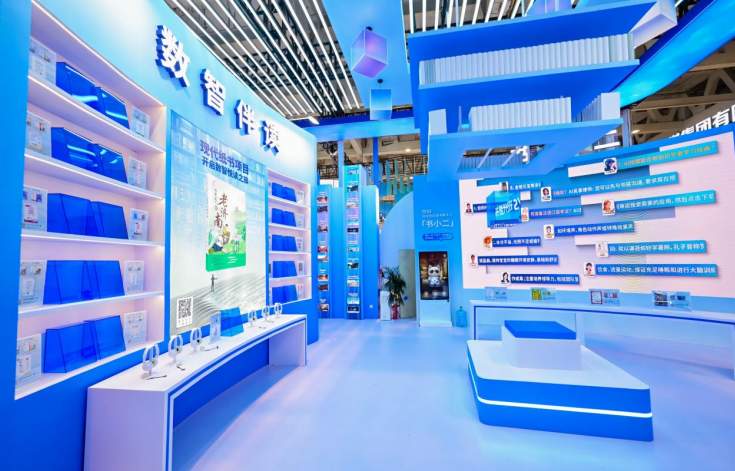 这届数博会还有一个关键词:国际化。近30个国家和地区的海外展商将参与展会。“一带一路”共建国家出版联合体、在华国际出版商联盟的国际展商也将来到济南。 展会期间,还将举办中外学者共话AI变革、中外出版人见面会等活动。这意味着,济南这几天汇聚的,不只是国内出版业的同行。不同国家和地区的出版机构、数字内容企业、行业组织,也将在这里寻找新的合作可能。 过去,一本书走向海外,可能意味着翻译、印刷、发行。今天,数字技术正在让内容跨越国界的方式发生变化。一本书可以变成一个数字产品,一个IP可以拥有多种语言、多种媒介、多种传播渠道。 所以,这场数博会实际上也在讨论一个更大的问题:中国的数字内容,如何走向世界?
三
为什么是济南?
济南与出版、阅读、文化有着很深的联系。李清照、辛弃疾生活于此,“济南二安”留下千古词章;明代文人相继在济南留下足迹;清代山东书局设于后宰门街,刊刻典籍、经销八方……从藏书楼、书局,到出版社、书店、图书馆,再到今天的数字阅读、数字出版——内容的载体一直在变化,但这座城市与“书”的关系没有断。 而今天,数字出版来到济南,又恰好遇上这座城市正在发生的另一种变化。 泉水是济南最鲜明的城市符号。文化,则是这座城市更深的底色。 当泉水城市遇见数字出版,当千年文脉遇见人工智能,当传统文化遇见游戏、动漫、影视,一个很有意思的场景出现了:济南正在成为传统文化与数字时代的一次交汇点。这也是“数智山东”展区放在本届数博会中的意义。
这届数博会还有一个关键词:国际化。近30个国家和地区的海外展商将参与展会。“一带一路”共建国家出版联合体、在华国际出版商联盟的国际展商也将来到济南。 展会期间,还将举办中外学者共话AI变革、中外出版人见面会等活动。这意味着,济南这几天汇聚的,不只是国内出版业的同行。不同国家和地区的出版机构、数字内容企业、行业组织,也将在这里寻找新的合作可能。 过去,一本书走向海外,可能意味着翻译、印刷、发行。今天,数字技术正在让内容跨越国界的方式发生变化。一本书可以变成一个数字产品,一个IP可以拥有多种语言、多种媒介、多种传播渠道。 所以,这场数博会实际上也在讨论一个更大的问题:中国的数字内容,如何走向世界?
三
为什么是济南?
济南与出版、阅读、文化有着很深的联系。李清照、辛弃疾生活于此,“济南二安”留下千古词章;明代文人相继在济南留下足迹;清代山东书局设于后宰门街,刊刻典籍、经销八方……从藏书楼、书局,到出版社、书店、图书馆,再到今天的数字阅读、数字出版——内容的载体一直在变化,但这座城市与“书”的关系没有断。 而今天,数字出版来到济南,又恰好遇上这座城市正在发生的另一种变化。 泉水是济南最鲜明的城市符号。文化,则是这座城市更深的底色。 当泉水城市遇见数字出版,当千年文脉遇见人工智能,当传统文化遇见游戏、动漫、影视,一个很有意思的场景出现了:济南正在成为传统文化与数字时代的一次交汇点。这也是“数智山东”展区放在本届数博会中的意义。

八 | 这里将集中展示山东省数字出版与数智化发展成果、出版融合创新、文化数字化转化、智慧阅读服务等方面的探索,把齐鲁文化的传统底蕴与数字时代的新表达放到同一个空间里。

九 | 数字出版正在做的,其实是一场文化产业的“破圈”。

十 | 数博会来到济南,不只是“在济南办一场展”,这也是一次重新认识自身文化资源、重新想象文化产业未来的机会。 四 数博会也可以很好玩。

十一 | 一场专业展会,如果只有行业报告、专业论坛和产业洽谈,它离普通人的生活仍然有些远。

十二 | 这也是本届数博会值得期待的另一个地方。众多配套活动中,既有学术研讨、成果发布、国际交流、签约洽谈、项目路演;也有数字出版创意工坊、非遗美食集、数字文创市集、人气作家签售……
专业的人可以来谈行业,年轻人可以来找灵感,读者可以来逛展、买书、见作家,孩子也可以在传统文化与数字内容的碰撞中,看见另一种文化表达。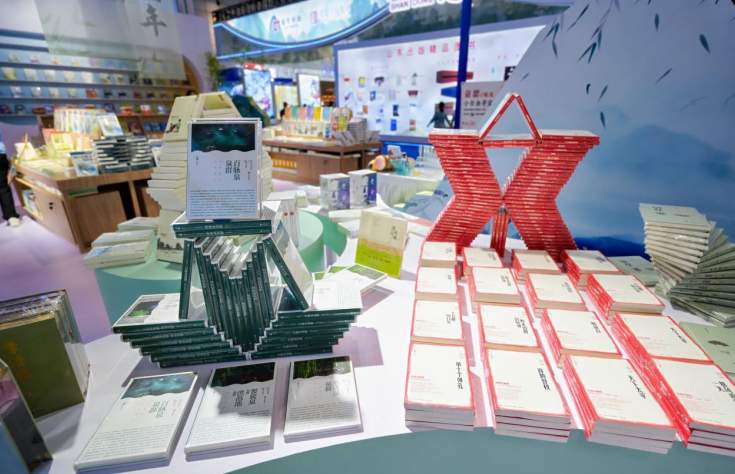 对于济南来说,真正重要的不是一场展会带来的短暂热度。而是流量过后,能够留下什么。

十三 | 可能是一家数字出版企业与济南建立联系;可能是一个出版IP找到新的开发方向;可能是一项新技术找到新的应用场景;可能是一批年轻人第一次意识到,原来“出版”并不是一个停留在纸张上的传统行业;也可能,是更多人因为这场数博会第一次认真了解济南。 从这个意义上说,数博会既是行业的盛会,也是城市的一次“被看见”。数博会应该是一颗种子,而不是一场烟花。二十余载数博会证明,展会的长效价值在于点燃行业热情、引领产业方向。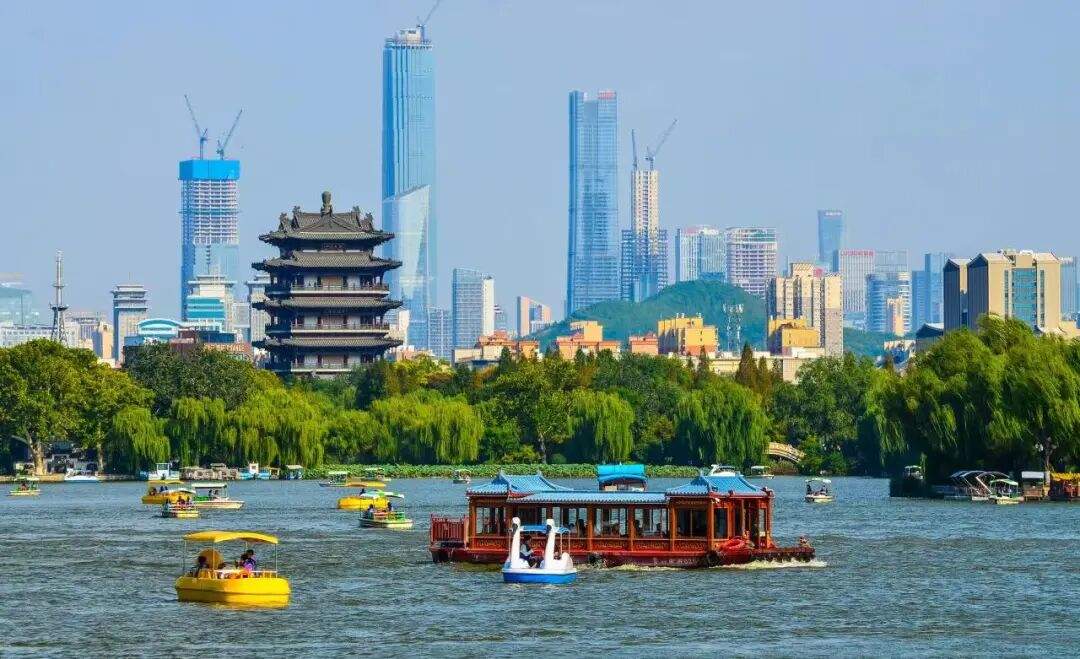 传承千年的文化,借数字之翼飞得更远;而这座浸润着千年文脉的泉城,也正以从容而坚定的姿态,与数字时代双向奔赴。 数创未来,智启新程。8月27日,济南见!。

十四 |
Current article:http://rgs0.yaoyaotoutuanmieshaideizun.buzz/d87xpx/20260826/71357.html
Published on:14:13:40
 白鹿原
白鹿原 上门女婿
上门女婿 假装情侣
假装情侣 史密斯夫妇
史密斯夫妇 饭局的诱惑
饭局的诱惑 荆棘鸟
荆棘鸟 战争之王
战争之王 熊猫
熊猫


